Travel writer Tahir Shah has published a glowing review of The Black Nile in the Washington Post. It’s especially gratifying coming from an author who knows first-hand the joys, burrs, and dangers of off-the-grid travel and reporting. Here’s an excerpt:
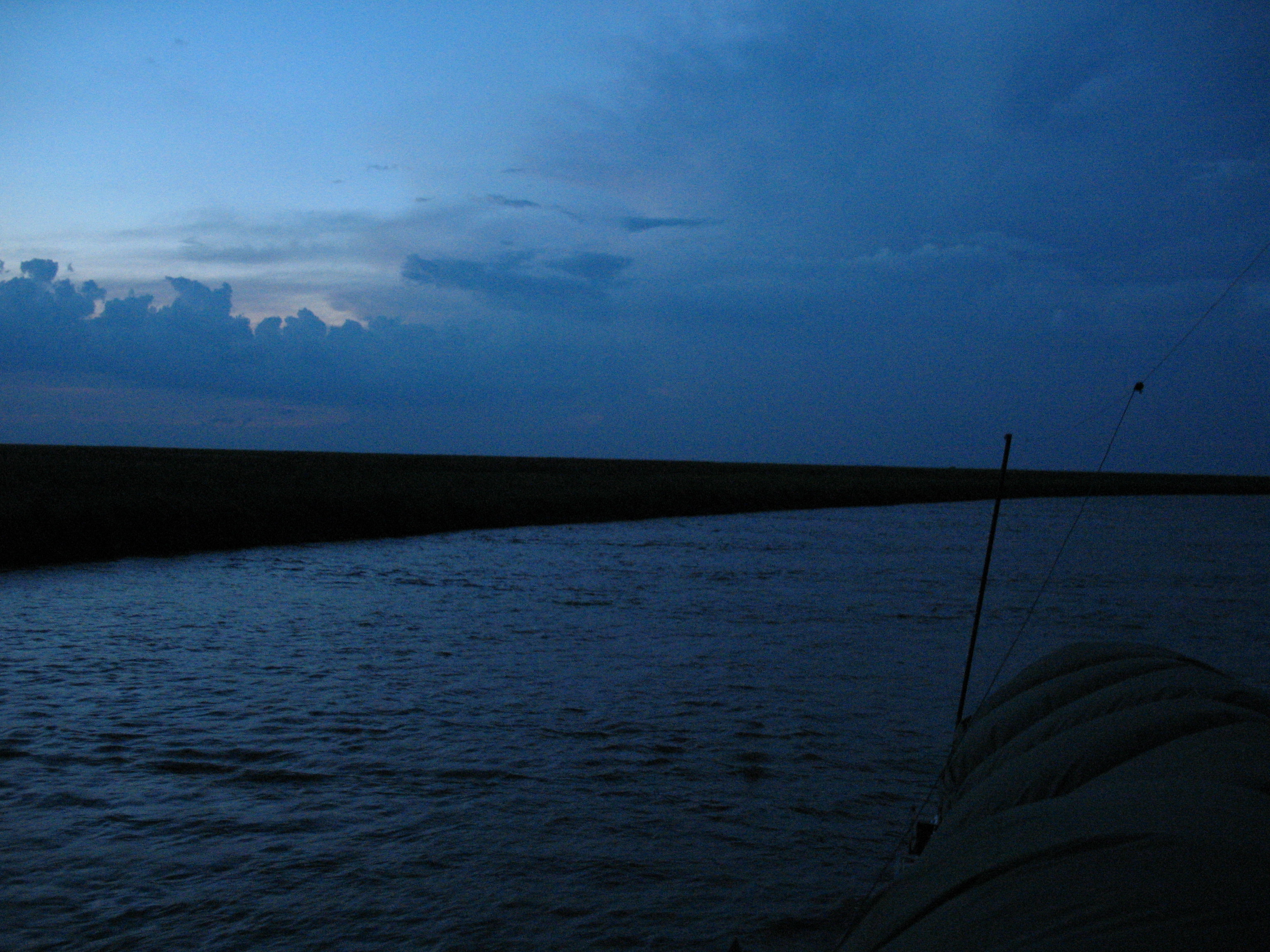
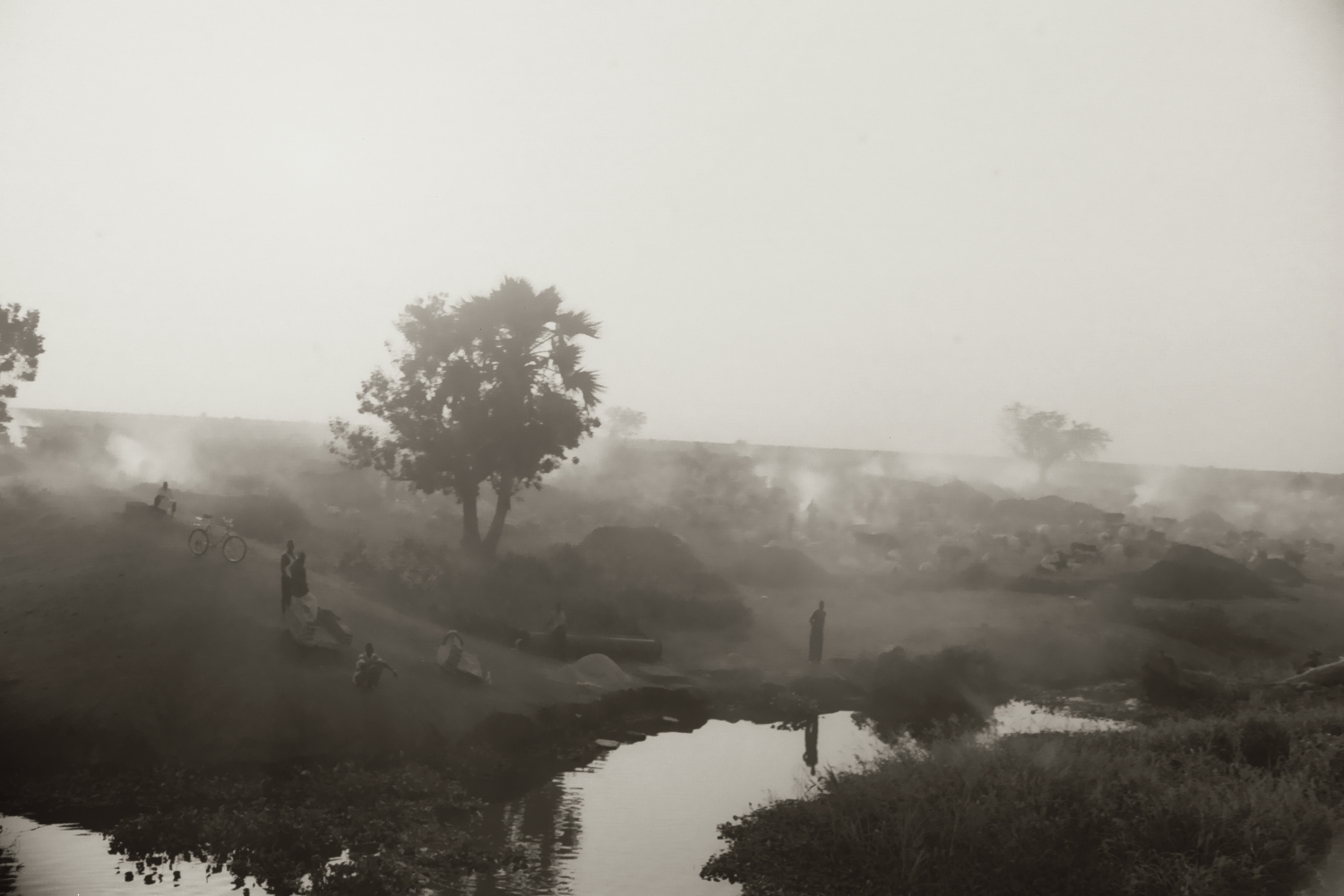
Morrison’s experience as a journalist shines through, as does his use of humor, which frames subjects of utter horror. These include intertribal conflict, pestilence, and the dams and deforestation that have destroyed swaths of East Africa’s ancient habitat. In the southern Sudanese town of Juba, Schon cooked up his last plates of oily spaghetti and came clean about not wanting to go on, especially since “on” was into the “malarial tinderbox” of the Sudd swampland, where “the war wasn’t quite finished in Upper Nile state — antagonistic militias stewed in camps while their leaders grappled for political power.” After his childhood buddy leaves, Morrison continues alone, and, now that the author can turn his full attention to the landscape around him, the travelogue steps up a notch. What’s impressive is how well he describes without judging. The Africa he depicts is a place where tribal rivalry complements religious and political friction; where illness, disease and utter poverty shape the lives of the majority, who lack the safety nets that so often catch Westerners when we fall.
As the journey progresses, it becomes much less of a whimsical jaunt and much more of a hard-edged report. This is Morrison at his best, lean and hungry in wild wastelands of Africa’s Sahel. His description of the Sudanese capital is memorable : “A dense static of orange grit came screaming from the desert; it filled the sky and trapped Khartoum’s eight million souls in a suffocating and radiant silica heat.”
Click here to buy your copy of The Black Nile.
And check out Tahir Shah’s most recent new book, In Arabian Nights: A Caravan of Moroccan Dreams.
 In my latest piece on the National Geographic website, members of a tiny Indian hill tribe insist their distinct language is no different from that of their neighbors — and the bigger tribe agrees. In reality, the tongues are as different as English and Hindi.
 Travel guide author Steve Waters, writing at the Lonely Planet website,
  The forests of Bangladesh are dwindling by the day, creating a furry refugee crisis among forest-dwelling animals who are forced into towns and villages in search of food.
 * “A masterful narrative of investigative reportage, travel writing, and contemporary history.” –
  * The Black Nile “combines wit with deep reporting…Getting in and out of dangerous locations is clearly Morrison’s forte.” –
  * “Captures the sun-baked, hallucinatory aura that slow boat travel can induce…Excels in bringing the place, politics and history of this fragile region alive.” –
  * The Black Nile “avoids the evangelical zeal and naïve prescriptions other Africa books fall victim to . . . Morrison teeters dangerously close to gunfights, disease, and run-ins with the authorities while relying on former rebels, proto-entrepreneurs, and crooked bureaucrats to get him through.” –
  * “Adventure is only half the story in this marvelous book, and maybe the lesser half…A beautifully-written tale of an American on a journey to find out who else is out there, what they’re thinking, why they do what they do, and hey, check out that sunset with the cranes flying low across the horizon.” – Tom Robbins,
  * “There’s enough grist in this excellent travelogue to craft a dozen killer Microkhan posts.” – Brendan Koerner,
  * “If you’re weary of cliched newsbites, misery memoirs and exoticised adventurism, and want more insight than disaster reporting or parched analyses can offer, this is a refreshing relief.” – Peter Verney, Sudan Update
 Please check out