
 In just eight days a new country, the Republic of South Sudan, will be born. It’s a huge step – but not the last step – in a 55-years-and-counting struggle for dignity and self-determination.
The south’s departure from Sudan has been as troubled as its union, with the recent fighting in Southern Kordofan and Abyei, as well as continuing insurgencies by southern renegades including George Athor and Peter Gadet. The Lord’s Resistance Army, too, remains active in the western part of the new country.
These are only the most obvious and immediate challenges faced by the southern people. Southern Sudan’s leaders, its people, and its nascent institutions will have to struggle mightily to prevent their new state from resembling the old Sudan in its approach to human rights, inclusivity, opportunity, and rule of law.
None of this should take away from the gigantic achievement that southern Independence represents. Millions died and millions more were made homeless, and endured famine, captivity and fear to get to July 9: A delicious and hugely challenging Year One. Democracy entails the right of the people and their representatives to make mistakes, to take responsibility for those errors (to “own” them, in the current parlance) and make corrections. It won’t be at all easy. But it’s a great, historic moment.
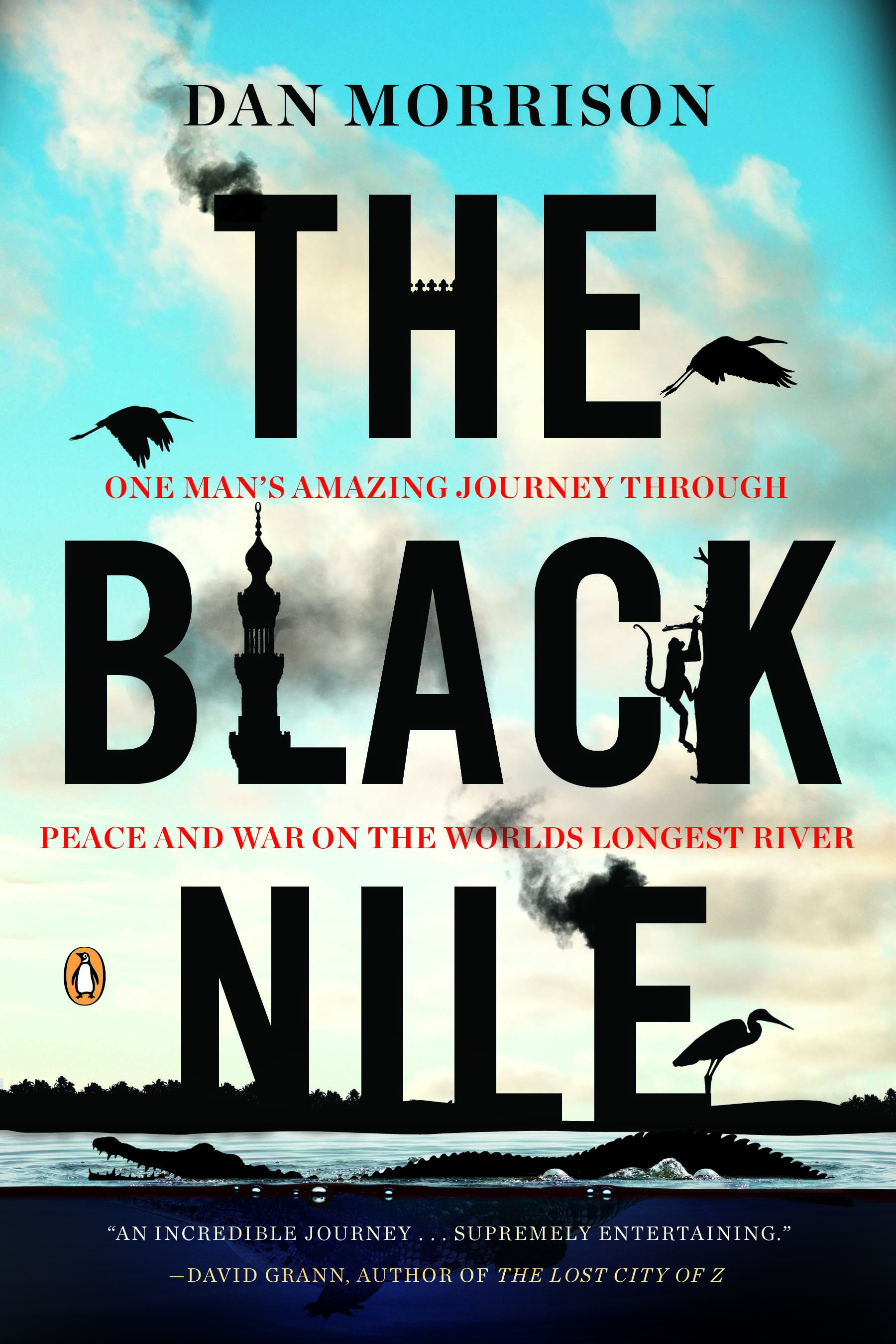
On July 5, Penguin Books will publish Revolution on the Nile, my new Afterword to The Black Nile, as an “e-special” available on the Kindle, the Nook, and Apple’s iPad, iPhone, and iTouch, as well as other e-readers. Revolution on the Nile updates The Black Nile with an account of south Sudan’s January freedom referendum, squashed attempts at public protest in northern Sudan, and the electrifying revolt against Hosni Mubarak in Egypt.
 Travel writer
  Travel guide author Steve Waters, writing at the Lonely Planet website,
 * “A masterful narrative of investigative reportage, travel writing, and contemporary history.” –
  * The Black Nile “combines wit with deep reporting…Getting in and out of dangerous locations is clearly Morrison’s forte.” –
  * “Captures the sun-baked, hallucinatory aura that slow boat travel can induce…Excels in bringing the place, politics and history of this fragile region alive.” –
  * The Black Nile “avoids the evangelical zeal and naïve prescriptions other Africa books fall victim to . . . Morrison teeters dangerously close to gunfights, disease, and run-ins with the authorities while relying on former rebels, proto-entrepreneurs, and crooked bureaucrats to get him through.” –
  * “Adventure is only half the story in this marvelous book, and maybe the lesser half…A beautifully-written tale of an American on a journey to find out who else is out there, what they’re thinking, why they do what they do, and hey, check out that sunset with the cranes flying low across the horizon.” – Tom Robbins,
  * “There’s enough grist in this excellent travelogue to craft a dozen killer Microkhan posts.” – Brendan Koerner,
  * “If you’re weary of cliched newsbites, misery memoirs and exoticised adventurism, and want more insight than disaster reporting or parched analyses can offer, this is a refreshing relief.” – Peter Verney, Sudan Update