IMG_2419

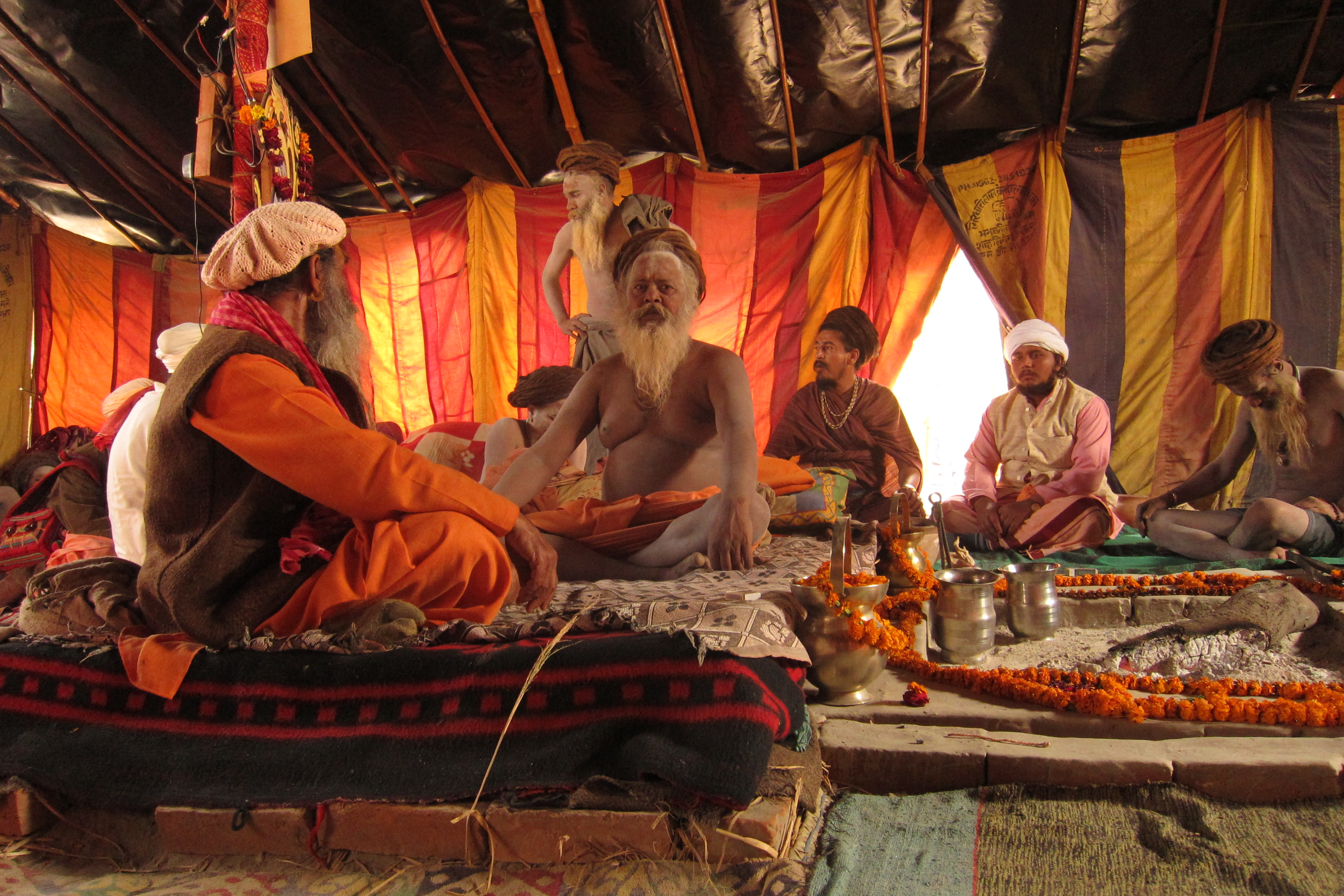
Two very different reports from my visit to the recently-concluded Maha Kumbh Mela in Allahabad, India, where tens of millions of pilgrims immersed themselves at the confluence of the Ganges, Yamuna, and (invisible) Saraswati rivers. For the New York Times, I looked at how India was able to eliminate of polio, using the Kumbh as a backdrop for this massive public health effort. And at Artforum, I looked at how artists approach this biggest of human gatherings. More soon.

LeRiche Photo 7

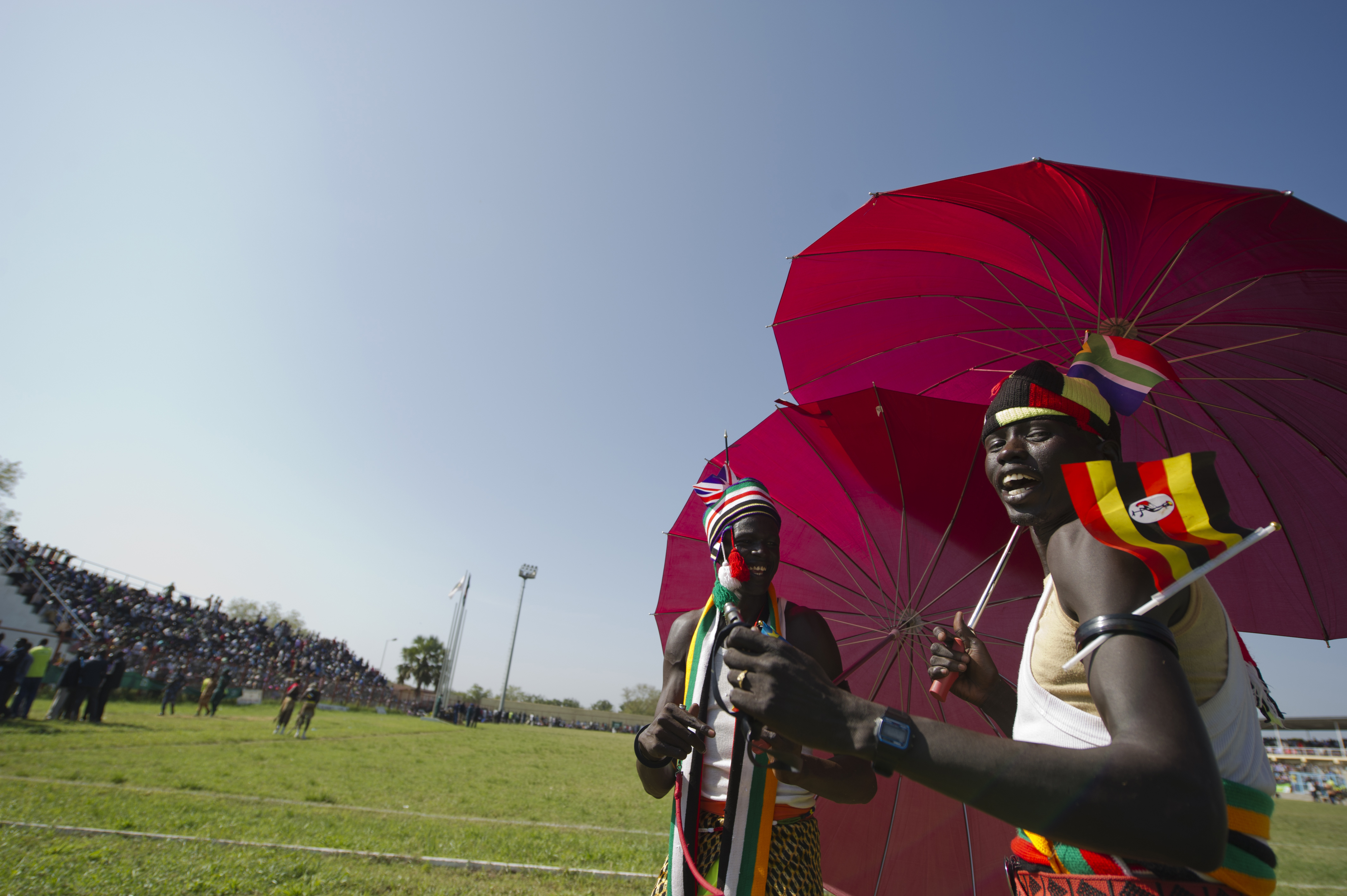
Three from the NatGeo blog: On the trail of endangered pangolins from Africa to restaurants in China; wrestling as peacebuilding in South Sudan; and an unprecedented scientific investigation into neonatal death in Bangladesh, India, and Pakistan.

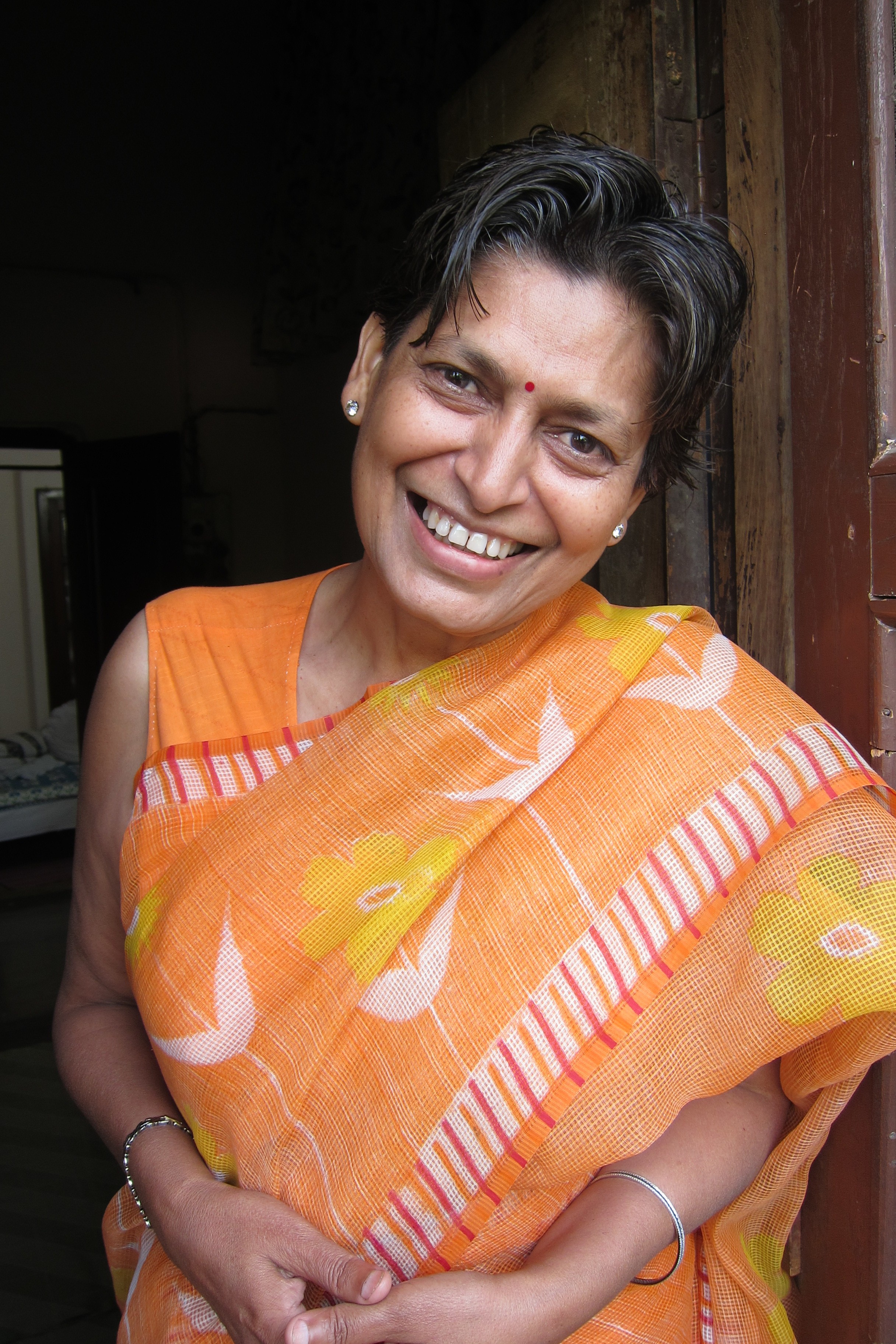
Kusumlata Kedia

I wrote in the New York Times a few months ago about the takeover of the Gandhian Institute of Studies in Varanasi, India, by a clique of so-called “academics” tied to the right-wing Rashtriya Swayamsevak Sangh. The RSS, a paramilitary organization with an estimated 5 million members, “actually was the inspiration and source of the Kill Gandhi and Hate Gandhi movement” that led to Gandhi’s assassination, according to Tushar Gandhi, a great-grandson of the Mahatma.

It’s ironic, Tushar told me, that the RSS “is attempting to grab an institution founded by Ram Manohar Lohia, a eminent follower of Gandhi and one of India’s leading socialist leaders.”

Now comes news that the grounds of the Gandhian Institute have recently been used to host a meeting of RSS leaders. Clips (in Hindi) after the jump.

It’s a world of fakes and charlatans — they’re in every city in every country. But still: The Gall.

Continue reading »

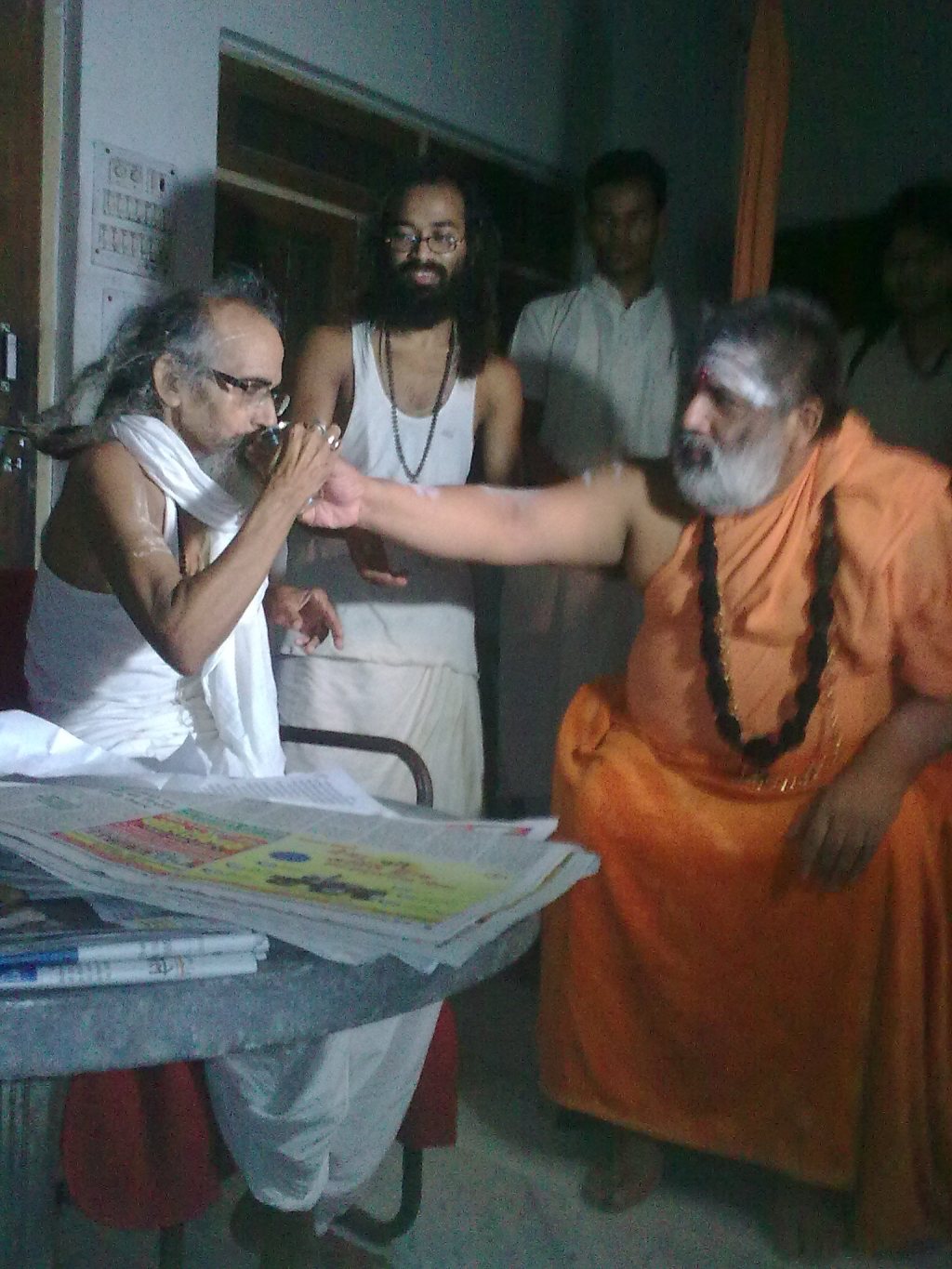
Swami Shivanand of the Matri Sadan ashram in Haridwar, India, breaks a 36-day fast to protect the Ganges River.

Details to come. I first wrote about Shivanand and his band of dedicated and embattled saints last December for National Geographic ( http://newswatch.nationalgeographic.com/2011/12/09/a-swamis-hunger-strike-ends-mining-on-a-stretch-of-the-ganges-river/ ) and the New York Times ( http://latitude.blogs.nytimes.com/2011/12/08/a-sacred-river-under-assault/ — http://latitude.blogs.nytimes.com/2012/03/21/indias-anticorruption-guru-anna-hazare-is-a-hunger-strike-opportunist/ ).

Shivanand is fearless, and says he’s not afraid of death. Just the same, I am very glad he’s alive.

New Tehri
This post first appeared at National Geographic.
An estimated 600 million Indians * – more people than live in western Europe — were without electricity earlier this week, victims of a massive blackout that darkened most of the northern and eastern portions of the country.

The Great Indian Outage, stretching from New Delhi to Kolkata, comes just a day after 300 million people in northern India lost power for much of Monday.

It is a disaster that’s caused untold damage to India’s economy, its prestige, and its well-being – think of the millions of patients in hospitals, the commuters stuck on trains, and farmers in need of irrigation. Hundreds of miners in the states of West Bengal and Jharkand were trapped underground by the blackout. Some 300 trains were reportedly stalled across the country.

There’s more damage to come, I fear: Forces that have been bridling against environmental regulations and science-based activism will use the Great Outage as a cudgel to demolish future restraints on dam construction, coal mining, and other projects.

India’s humiliating power failure is sure to birth a slogan as reductive and wrong as America’s own “Drill Baby Drill.” Continue reading »

Bulgam Bhai

This post first appeared at NatGeo NewsWatch.

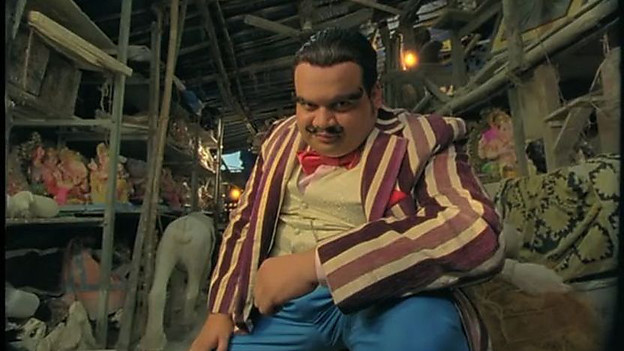
PATNA, India – Perched high on a rooftop amid the pollution and noise of a vibrant Indian city, a new kind of superhero listens for signs of the enemy.

His ears tuned to an array of elaborately curved trumpets, Bulgam Bhai strains to hear the ever-present danger and then pounces. When an Indian coughs, this jocular public health avenger — all candy stripes and waxed mustache –- appears in a flash with a potentially life-saving question:

“Has it been two weeks?”

Continue reading »

BlackNile_Final

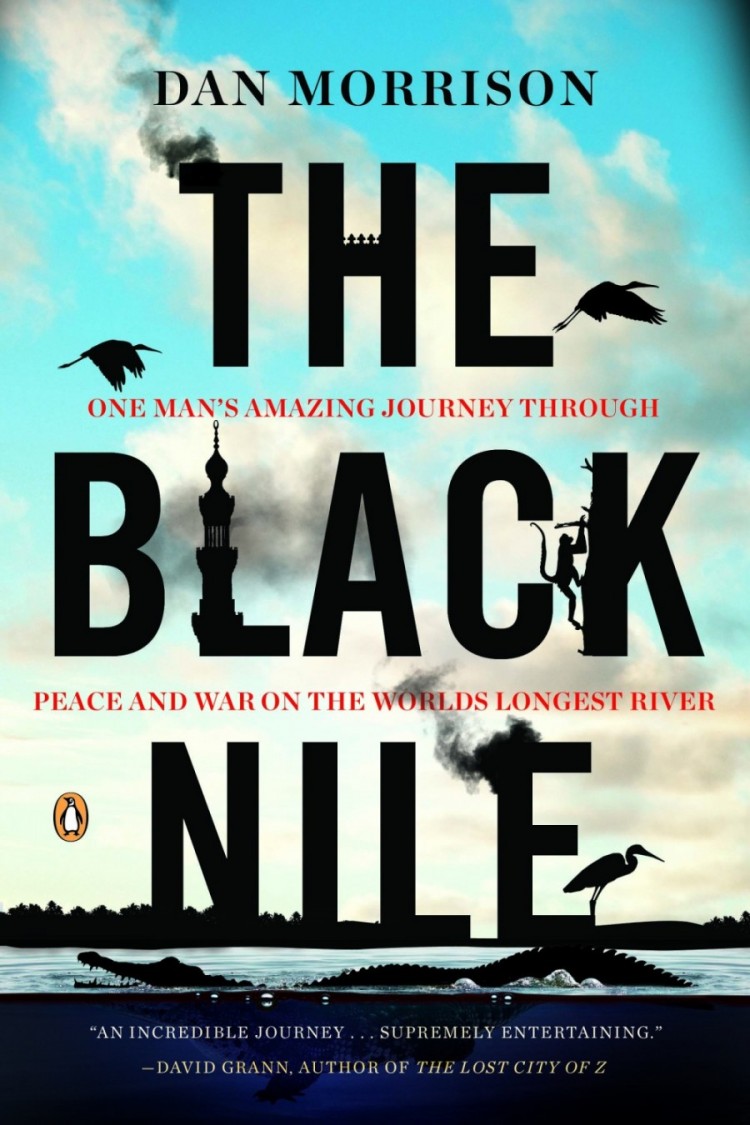
“If you don’t blow your own horn, there is no music,” Jimmy Breslin, that great id of New York newspapering, said more than once (and I’ve quoted him more than once). And so: Here’s The Black Nile, profiled in The Egypt Independent. The book, “with its attention to fact and suspension of easy judgment, is the farthest kind of work from #Kony2012,” says James Purtill. And here’s The Black Nile on the summer reading list of India’s Sunday Standard magazine. And, lastly, an unexpected plug from indie publicist LuxLutus. More soon.

This piece first appeared at National Geographic, and was updated Saturday night.

G.D. Agrawal is determined to die.

“At the moment I am quite resigned to my fate,” Agrawal, the 80-year-old dean of India’s environmental engineers, tells me by phone from his hospital bed in the holy city of Varanasi.

Agrawal hasn’t eaten since February 8. He hasn’t taken a drink of water since March 8; an intravenous drip of dextrose and vitamins keeps him lucid.

GD Agrawal, the environmental engineer also known as Swami Gyan Swaroop Sanand, at the Varanasi hospital where he is on a hunger strike. Agrawal says he will remove his IV tube on Saturday. "At the moment I am quite resigned to my fate," he told Nat Geo News Watch.

Continue reading »

Evelyn Amony was kidnapped by the Lord's Resistance Army at age12 and was first raped by its leader, Joseph Kony, at 15. One of dozens of girls selected to be Kony's concubines, she had three children including Mercy, 14 months, before escaping to freedom in January 2005. Photographed March 31, 2006, in Gulu, Uganda, by Dan Morrison.

The release this week of the video Kony 2012 and a viral social media campaign by the American NGO Invisible Children has jacked awareness of the vicious Ugandan rebel group the Lord’s Resistance Army into the stratosphere. It’s also provoked a significant backlash from experts who say the film is simplistic, manipulative, and that it narcissistically focuses on the filmmakers themselves over their African subjects. Invisible Children has responded to some of that criticism, and debate over the film and its prescriptions continues across the web, much of it under the Twitter hashtags #Kony2012 and #StopKony.

In this post, which first appeared at National Geographic, my friend Anywar Ricky Richard, a former child soldier of the Lord’s Resistance Army, and director of the northern Ugandan organization Friends of Orphans, responds to the clamor: Continue reading »

From a “nomad who pursues every form of transportation imaginable to follow Africa’s longest river,” The Black Nile is “an evocative piece of reporting…a portrait of a fractured country just one spark away from a renewal of hostilities.” –Joshua Hammer, The New York Times Sunday Book Review

Beautifully written. A masterful narrative of investigative reportage, travel writing, and contemporary history. . . . The Black Nile is all at once thrilling, sad, and—most of all—thoughtful. The Daily Beast

Dan Morrison takes the reader on an incredible journey in The Black Nile. Weaving together intense travel writing and history, he has produced a supremely entertaining work, and also an important one.David Grann, author of The Lost City of Z

Part On the Road, part Fear and Loathing in Africa, Dan Morrison takes us with him on his journey down the Nile–teaching us, by example, to be explorers of both the world and ourselves.Kevin Sites, author of In the Hot Zone: One Man, One Year, Twenty Wars

© 2013 Dan Morrison Suffusion WordPress theme by Sayontan Sinha